
The journey of plastic from its creation to its eventual breakdown is a long one that can continue for hundreds of years, which is why plastic pollution is having a significant impact on the environment.
© Alba_alioth / Shutterstock.com
Why are plastics so damaging to the planet?
Single-use plastics can have a negative impact on the planet for hundreds of years to come. Research has shown a plastic bag can take up to 20 years to decompose, while plastic bottles can take up to 450 years. It takes up to 30 years for a plastic cup to break down and the humble plastic straw takes 200 years. A six-pack of plastic rings used for aluminium drinks cans will take 400 years.
Did you know, 3.5 billion plastic toothbrushes are bought globally every year, yet each one can take 500 years to decompose? This means they are finding their way into the ocean and rivers, with the polypropylene plastic and nylon being around for half a millennium.
A report by the United Nations Environment Programme estimates around 400 million tonnes of plastic is produced globally every year. Unfortunately, seven billion tonnes of all the plastic produced from 1950 to 2017 has become waste, which could take hundreds of years to decompose.
How are plastics made?
Have you ever asked the question, how is plastic manufactured? Possibly, it’s not something you give much thought to, but it should be, as it impacts everyone’s life and the future of the planet.
The plastics life cycle begins with the extraction of raw materials including oil, natural gas and plants, which are refined through various manufacturing processes into propane and ethane. The propane and ethane are then heat-treated using a process known as “cracking”, which turns them into propylene and ethylene.
When combined with a catalyst, this creates a polymer that resembles laundry powder. It is melted and fed into a pipe, forming a long tube as it cools. The tube is then cut up into pellets, which are transported to factories all over the world, where they are melted and moulded.
The design and production stage sees them turned into food packaging and hundreds of other products. Labour-intensive, this comprises a variety of processes to make the many types of plastics and products on the market.
Plastic use and maintenance vary, with some being thrown away after just one use and others lasting a lifetime. Some are recycled or reused, while others are simply disposed of at landfill sites.
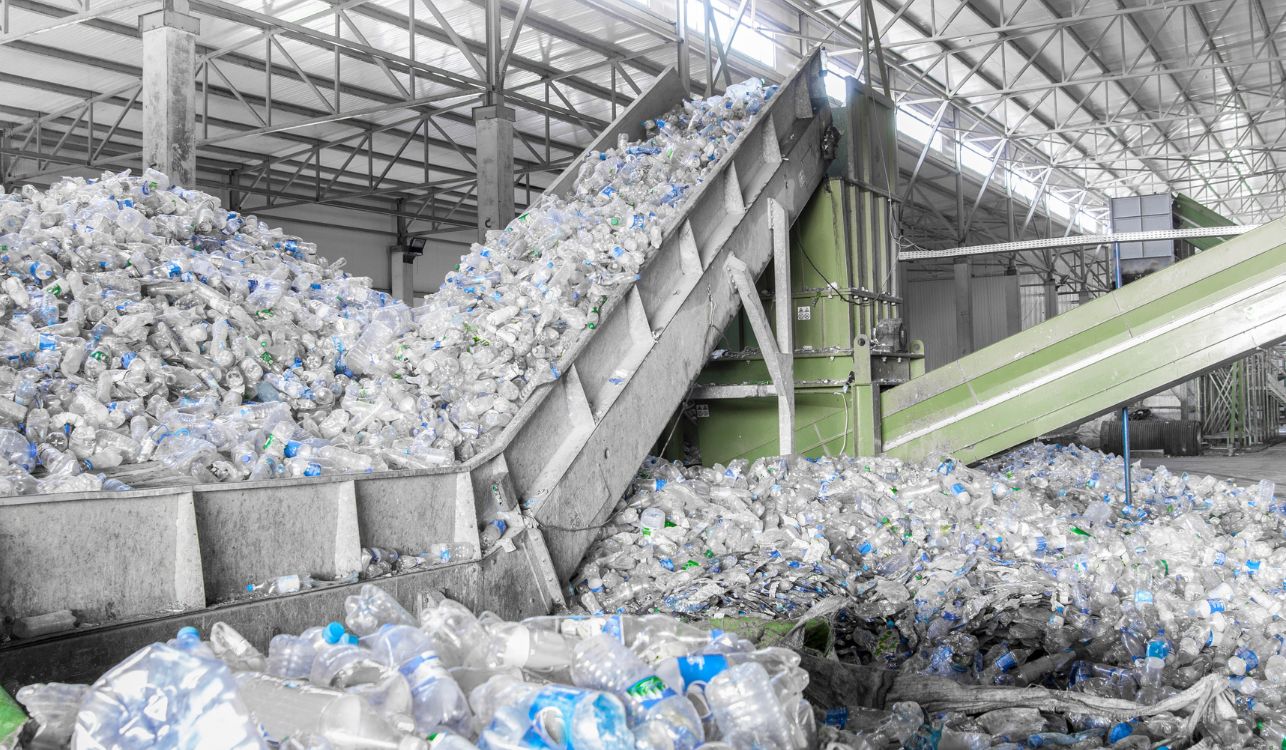
Those that are collected for waste management schemes are sorted through and allocated to various uses. Some are turned into plastic flakes or pellets and enter the production phase again through recycling.
However, some plastics are incinerated, or dumped in landfill sites. According to research in 2020, only around 10% of plastics produced since the 1950s have been reused or recycled. This is the point in the plastics life cycle that scientists are aiming to change.
Plastics global commitment
In 2022, the United Nations Ocean Conference urged governments, businesses and organisations to sign up for its New Plastics Economy Global Commitment - a strategy aimed at stemming the planet’s environmental crisis. Already, more than 500 signatories have pledged to ensure plastic materials never become waste.
The United Nations, in collaboration with charity the Ellen MacArthur Foundation, is urging world leaders to transition towards a “circular approach” for the plastics’ life cycle. The strategy considers the full life cycle, from extracting the raw materials to end-of-life disposal.
Particularly relevant, the recovery stage of old used plastics is where the biggest changes must be made. A circular approach means creating a model where no resources become waste, as they are all recycled or reused.
Experts say a global collaborative approach between governments, businesses and other organisations is needed to reduce plastic pollution - the UK is already a leader in curbing plastics pollution.
In 2018, the UN launched the planet’s first project in collaboration with the Ellen MacArthur Foundation, the UK Plastics Pact. It has brought together retailers, leading brands and waste management businesses to help combat the plastic pollution crisis. The pact inspired other similar actions across the world.
The aim is to phase out the types of plastic we don’t need and to encourage the use of recyclable and reusable plastic materials. The circular cycle means circulating the plastic products and materials already in the economy to prevent them from being dumped and damaging the environment.
All our products are built to last a lifetime, so they won’t end up as part of the plastic waste problem. We produce a range of recycling bins for home or work.
We also stock a selection of used storage products that have been repurposed, not only saving the planet’s resources, but also saving our customers money.
Environmentally aware, we only sell recycled, recycling or recyclable products.