
The need for hedgehog conservation has reached a critical point, but the good news is that each of us can play our part in helping to turn things round for this native UK mammal.
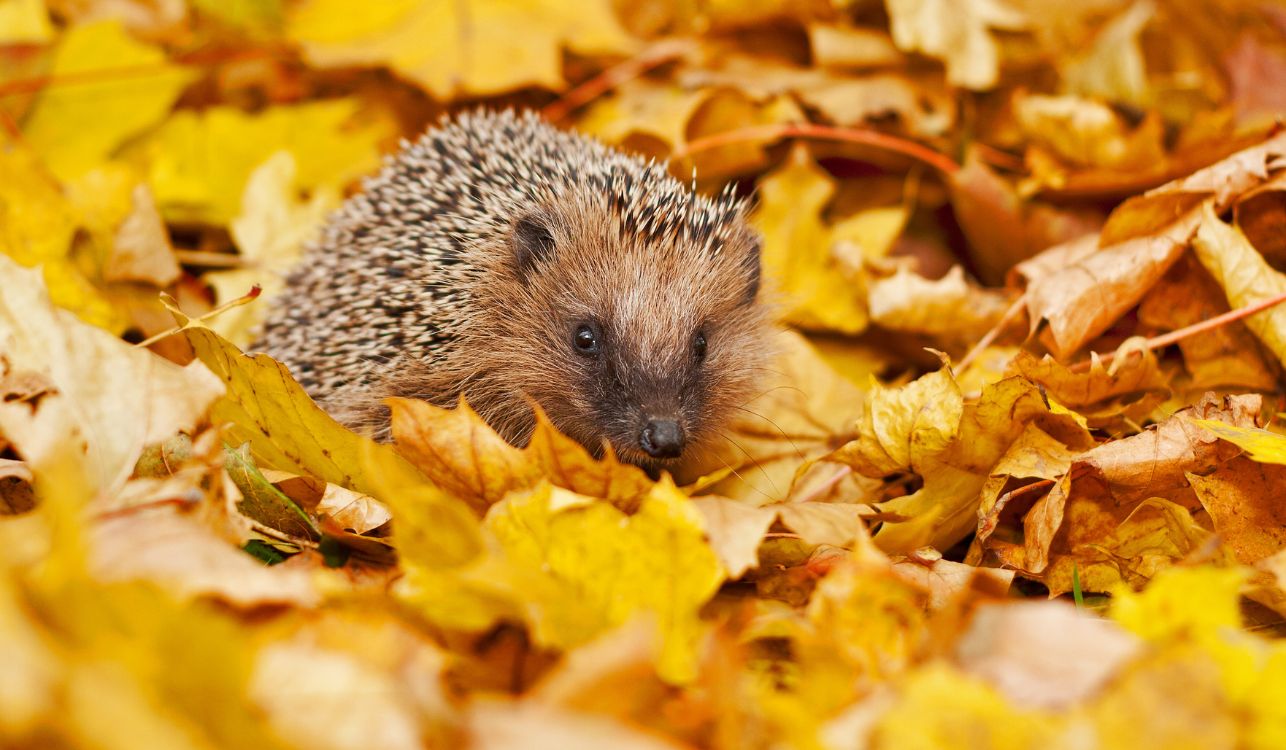
© Matej Ziak / Shutterstock.com
Why are hedgehogs declining in numbers?
There’s no single culprit, but rather a combination of factors working against them. The biggest issue is habitat loss. Urban sprawl, tidier gardens and modern farming practices have stripped away the wild corners hedgehogs depend on for food and shelter. In rural areas, the removal of hedgerows has left vast open landscapes that they can no longer safely navigate. Without somewhere to nest, forage, or hibernate, they simply can’t survive.
Then there’s habitat fragmentation, including fences without gaps and disconnected patches of greenery, leaving them struggling to move between feeding areas. When populations become isolated, genetic diversity drops, making them more vulnerable to disease and local extinction.
Traffic is another serious hazard. Every year, around 335,000 hedgehogs die in accidents on Britain’s roads. Motorways and A-roads also divide the landscape, cutting animals off from one another. Add to that the threat of pesticides reducing their insect prey, and the impact of climate change disrupting hibernation, and it’s easy to see why hedgehogs are struggling.
How to help hedgehogs in your garden
Hedgehogs are natural pest controllers, munching through beetles, caterpillars and slugs that could otherwise devastate plants and crops. For gardeners, they’re a helpful ally, working through the night to keep your borders safe. Beyond this, hedgehogs are an important “indicator” species. Their decline tells us something is going wrong in our wider environment. By helping hedgehogs, we can protect the health and biodiversity of our gardens, towns and countryside.
Make your garden a safe haven by creating a hedgehog highway: cut a 13cm square gap at the bottom of your fence to help them travel between gardens. They can roam up to 3km a night, so an open route is vital. By avoiding pesticides and slug pellets you can help keep their food chain healthy.
What to feed a hedgehog in the garden
Hedgehogs are insectivores, meaning they mostly eat beetles, worms and caterpillars. Since these are in shorter supply in winter, supplement their diet with tins of good quality hedgehog food, or meaty cat and dog food - ideally chicken or beef in jelly. Dry biscuits are another great option, as they help keep their teeth strong. Always leave a shallow dish of clean water. Bread and milk are off the menu, as despite the old myths, they can make hedgehogs ill. Milk gives them stomach problems because they’re lactose intolerant and bread offers no nutritional value.
Set up a dedicated feeding station in a quiet, sheltered corner of your garden. Leave your food and water dishes in the same area, cleaning them daily to prevent disease. If you’re putting food out regularly, store it safely and hygienically in airtight, easy-to-clean containers. You’re also less likely to attract unwanted guests, like rats or insects.
Building or buying a hedgehog house
A warm, safe shelter is just as important as food and water: a hedgehog house gives them somewhere dry to nest and hibernate through winter. You can buy purpose-built wooden houses, but making your own can be easy and satisfying. Cut a small 13cm entrance in a plastic storage box, drill a few ventilation holes and line it with dry leaves or straw. Place it in a quiet, sheltered corner of your garden, out of direct wind or rain. Hedgehogs love privacy, so avoid disturbing it once installed.
Even though hedgehogs are shy and nocturnal, there are ways to know if they visit your garden. Look for small, cylindrical, dark droppings about 5cm long. Hedgehog footprints are another clue, as their front paws look like tiny handprints; their back paws are longer and narrower.
As many as ten different hedgehogs could be visiting your garden on different nights, so that “one regular visitor” may actually be a whole gang!
Creating a hedgehog-friendly environment
Hedgehogs love gardens that are a bit on the wild side. Piles of leaves, logs, or compost make a fantastic natural habitat. If you’re planning a bonfire, always check for wildlife before lighting it, as hedgehogs love to hide inside piles of twigs and leaves. Leaving patches of brambles or long grass provides valuable nesting materials too.
Hedgehogs are good swimmers, but can struggle to climb out of steep-sided ponds. Adding a gentle ramp or a few strategically placed stones gives them an easy escape route. Covering drains, tidying up netting and disposing of litter responsibly are small but important steps in making your garden a safe zone.
While cats usually ignore hedgehogs, dogs can sometimes pose a danger if they tend to chase small animals. Supervise them outdoors, especially at dusk when hedgehogs are active.
Avoiding common mistakes
If you suspect your hedgehog house is in use, resist the temptation to peek inside during winter. Waking a hibernating hedgehog can be hazardous to their health, as they use up precious energy reserves when roused. Another mistake is leaving food in open bowls, which invites cats and foxes. Use a covered feeding station or tunnel entrance to ensure the hedgehogs get their share.
Many garden injuries come from strimmers, mowers, or discarded netting. Always check for hidden wildlife before you start gardening, and roll up any nets when not in use. Small acts of mindfulness make a huge difference.
Helping hedgehogs isn’t just good for them - it’s rewarding for us too. There’s something heart-warming about seeing a hedgehog pottering across the lawn under the moonlight. You’re also contributing to a bigger cause: restoring balance to our environment and keeping this beloved British species from disappearing.
A hopeful future
The situation for hedgehogs is serious, but not hopeless. Across the UK, individuals, communities and wildlife organisations are working hard to protect them. Every hedgehog-friendly garden adds another link to the chain of habitats they desperately need.
If we each take a few simple steps, we can help ensure hedgehogs remain part of Britain’s wildlife for generations to come. Next time you’re in your garden on a mild evening, listen carefully - you might just hear the telltale snuffle of a grateful hedgehog nearby.