
Three quarters of us don’t understand the labels on food and other packaging: the main reason recycling bins become contaminated with other materials is because people don’t know what can actually go in there.
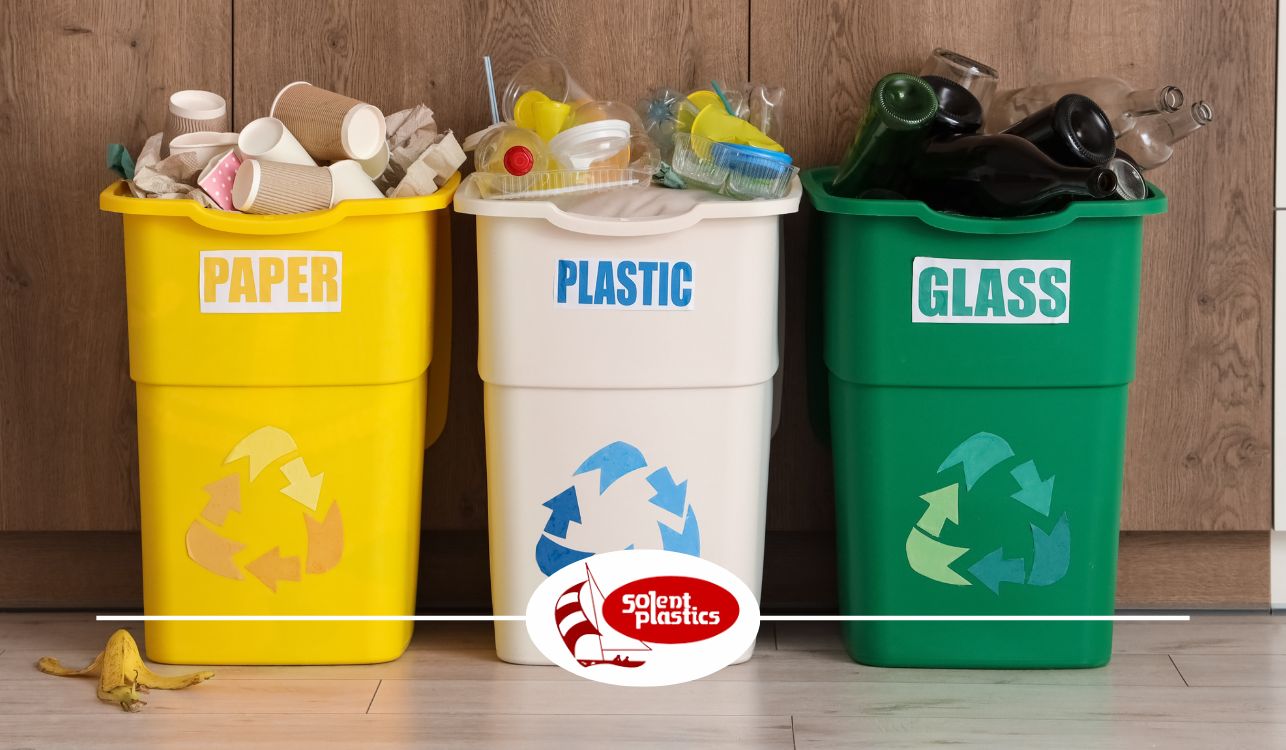
© Pixel-Shot / Shutterstock.com
Common mistakes include wrongly thinking empty deodorant and hairspray cans can’t be recycled, and putting tissue boxes in the paper recycling bin without taking out the plastic insert first. Surprising things that can be recycled include used foil trays and kitchen foil when cleaned; metal lids; empty bottles of cleaning products with trigger sprays; aluminium tubes with the plastic lid removed; empty bleach bottles and envelopes with “windows”.
A lot of waste is wrongly going to landfill, says the British Science Association, but the situation isn’t helped by individual councils setting their own rules on what can be recycled locally, with decisions often being based on how much funding they have for the various schemes.
We’ve compiled a handy recycling guide to help householders make informed waste sorting decisions - read on to find out what items you can and can’t put in your recycling bins and why.
What goes in recycling bins?
It’s crucial to get it right, as putting the wrong items together can contaminate a whole bin of otherwise recyclable waste. Recycling plastic is a good place to start, so ensure your yoghurt pots, milk bottles, plastic food trays and clear meat tubs are put into the relevant bin.
Other plastic packaging that’s suitable for recycling includes cake, pie and sandwich trays; dessert pots; noodle, soft cheese and sauce containers; coleslaw, salad and soup tubs; soft plastic lids; bottle tops and hot drinks pods.
Other recyclables include washing up liquid bottles; plastic pots for face creams; large opaque sweets tubs; margarine and ice-cream tubs; clear plastic sandwich trays and plastic containers for fresh fruit and vegetables.
Glass waste such as beer and wine bottles, jam jars, pasta sauce jars and more, can be recycled infinitely. Always ensure you wash plastic and glass food containers to remove residue before sending them for recycling,
If you have a lot of cardboard boxes, flatten and tie them together to prevent them from taking up a lot of space, or blowing away on recycling day. Other items that can be recycled are shoes, clothes, pillowcases and sheets. If in any doubt in your local area, check with the council what is acceptable.
Now we’ve listed many of the items that CAN be recycled, let’s move onto the things that are commonly mistaken for recyclables, but actually have to go to landfill.
Coffee cups
When it comes to popular coffeehouse company cups, recycling isn’t an option, because the cups are made from a mixture of plastic and paper - they can’t be broken down into a pulp to recycle with other paper. The thin plastic lining prevents the cup from getting soggy and stops leaks when drinking coffee, so is an important part of its structure. Even though plastic makes up only 5% of the cup, it still prevents recycling, so they often end up in landfill as a result.
Pringles tubes
Pringles crisps tubes are not recyclable, as they combine various materials including foil-lined cardboard, a metal base and a plastic lid with metal tear-off layer. Currently, recycling plants don’t have the facilities to separate the different materials and process them, as they are composite materials that can’t be broken down.
Plastic bags
Only around 18% of local authorities in the UK will accept plastic bags for kerbside recycling; recyclability depends on the type of material used. The plastic bags that can’t be recycled include compostable, biodegradable, and non-Polyethylene film plastics, such as PVC and PP. Some larger supermarkets have in-store collection points. Find out whether your local area has any facilities by using the online Recycle Now recycling locator, checking directly with the local authority, or asking at your household recycling centre.
Wine glasses
Wine glasses can’t be put in a general recycling bin because they’re made from toughened glass that often contains chemicals to enhance strength – this is unsuitable to mix with regular glass jars and bottles. Wine glasses often melt at a different, higher temperature than normal glass, so they can even damage the recycling equipment, or at the very least cause imperfections in the recycled glass if they’re mixed in by mistake.
If you have old wine glasses, donate them to a charity shop, as someone will reuse them, or enquire at your local recycling plant if they have any special facilities for broken drinking glasses.
Can you recycle pizza boxes?
Greasy takeaway pizza boxes can’t be recycled, even though clean cardboard is recyclable universally, because oil from the food will contaminate them. Greasy food residue is almost impossible to remove thoroughly, as it will soak into the cardboard fibres, causing them to stick together and preventing them from being separated properly during the recycling process.
Even a small amount of grease can contaminate a whole batch of recycled paper, negatively impacting the quality of any recycled cardboard by making it weaker.
Crisp packets
Currently, crisp packets cannot be recycled because they comprise a plastic film with a metallic layer which is hard to separate, while the crisp residue and grease that clings to them can also contaminate other recycled materials.
Crisp packets need complex processing to break them down, so they usually aren’t permitted at regular recycling centres. Some supermarkets invite customers to return them for specialised recycling programmes, so check locally to see if any facilities are available near you.
Kitchen roll
It’s not possible to recycle kitchen roll because it’s made from short paper fibres that are contaminated with food, oils and chemicals. The fibres get shorter every time they’re recycled, eventually becoming too small to use again. Due to kitchen roll being used to clean up soiled surfaces, spills and people’s hands, it is easily contaminated and can pick up foreign objects such as small particles of plastic, rubber or metal, which will damage recycling equipment. You can recycle the cardboard tube from the centre, however.
Across the UK, the Welsh have been the top recyclers consistently since 2010, followed by Northern Ireland, England and Scotland, according to figures from YouGov. The amount of waste being sent to landfill has reduced by 59% since 2010, mainly as a result of recycling initiatives.