
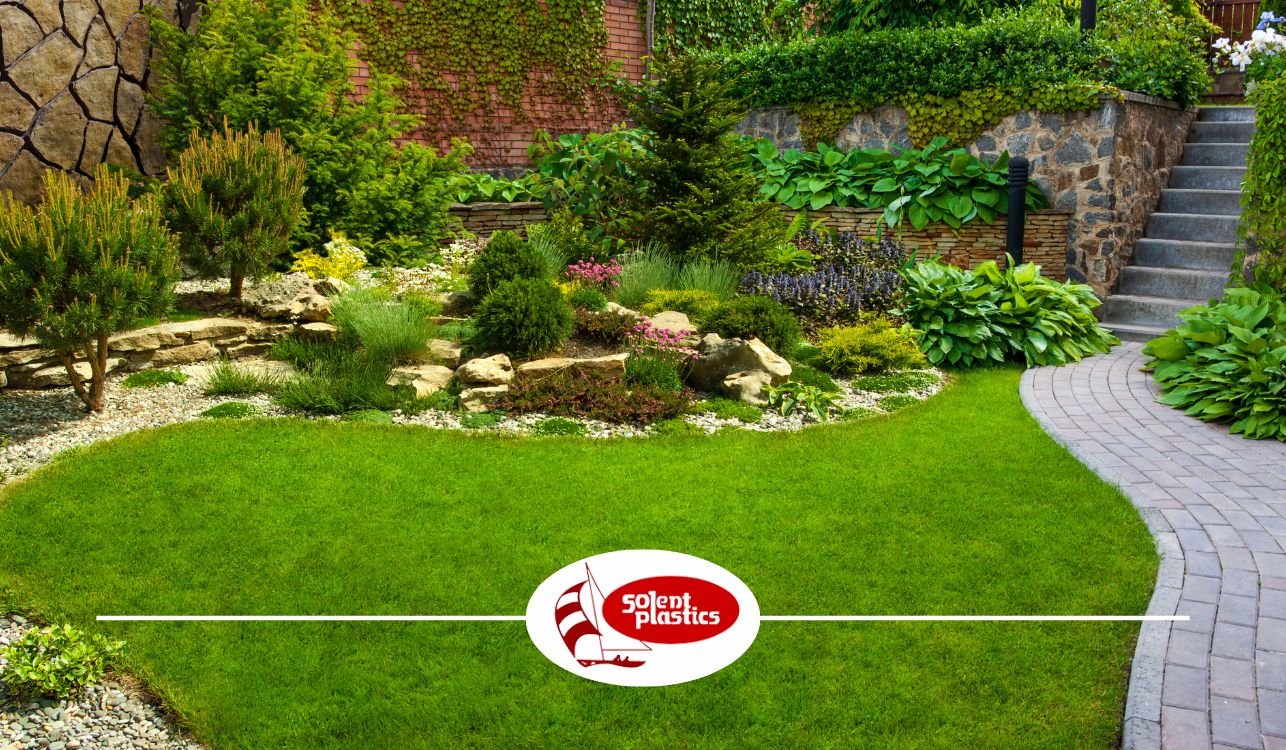
© Andrey tiyk / Shutterstock.com
Around 27 million people in the UK, equating to 42% of the total population, enjoy cultivating their garden, including growing fruit and veg as well as plants. From an undeveloped plot of land to a gardener’s paradise, it’s possible to transform your outdoor areas with some careful planning.
What’s the first step to take when garden landscaping?
If you’ve moved into a new home where the previous owner was a keen gardener, you may be lucky enough to have inherited some mature trees, shrubs or plants, but if all you have is a big, empty space, it may seem a daunting task to knock it into shape.
The key to success is careful planning, which starts with initially assessing your garden’s shape. Whether it’s square, rectangular, long and thin, or wide and shallow, planning should be done carefully to ensure you make the best of your available space before any physical work begins.
Decide on the layout of your design, such as whether you want a lawn with flower filled borders, a seating area, tree lined paths, a children’s play area, or even a small allotment. Basically, choose your garden’s function and determine the sunlight conditions for the best layout. If you’re a beginner who’s planning to do the work yourself, don’t go for anything over ambitious, as this can deter you from continuing if the going gets tough!
People like to enjoy their garden, so many householders choose outdoor space with a seating area for garden chairs and a table, preferably facing south-west if possible to catch the sun’s rays and also near the house, so it’s easy to pop in for cool drinks and snacks during those long summer days.
Even compact gardens can look stunning when well planned, so it isn’t something to rush into. Popular choices for plants that are easy to maintain include colourful grasses, roses and evergreen shrubs - plant pots are just as important as flower beds in smaller gardens. If you have more space, design elements such as paved or flagged areas, decking or water features can divide up the space and create different textures.
Essential tools and materials for landscaping
Once you have a viable plan in place, start preparing for the practical transformation. The key tools include shovels, trowels, wheelbarrows, a rake, a hoe and a spade, while materials like mulch, topsoil, sand and gravel are essential for preparing garden beds, creating pathways, or filling raised beds.
It’s possible to start off with the basic tools and then add more when needed, such as power tools and a lawnmower if you go for grass.
Storage box outdoor options
You’ll also need to consider storage space, whether it’s for tools and seedlings, or to put the kids’ outdoor toys away at the end of the day. Garden storage boxes will protect your belongings from the elements, especially if you don’t have room for a shed.
Solent Plastics selection of outdoor storage solutions can help keep your tools organised and your garden looking tidy. Don’t be caught out by bad weather during your landscaping project: have somewhere to keep everything safe in between gardening sessions. Many choose plastic containers, as they are more durable than other materials and can be bought in various shapes and sizes, and come with lids to protect the contents.
Preparing the soil
When it comes to landscaping, a lot of it is down to personal choice and what you’ll enjoy seeing in your garden. However, there are also other considerations, such as getting the right plants based on your climate, garden size and sunlight.
Consider the soil quality, something that celebrity gardener Monty Don says is the single most important thing you should do. There must be good drainage, no compaction and a texture that is pliable and rich with nutrients. This will give you the basis for a healthy garden and successful plants for years to come.
Buying good quality soil and compost are the first steps towards your stunning garden. Don always emphasises the importance of soil health when starting any new project, telling followers: “The soil is the foundation of your garden, and it’s where everything starts.”
Landscaping features
When deciding on hard landscaping designs, such as decorative and practical structures and features, consider that pathways, fences and seating areas provide both aesthetic appeal and functionality.
TV gardener Alan Titchmarsh often advises creating a garden that has hidden elements and unexpected delights such as secret corners, sculptures, or fragrant plants that reveal themselves as you walk through the space. He tells viewers to “always plan for a sense of surprise in your garden” and this isn’t something just for the professionals.
With any landscaping project, plan it out in stages, breaking it down into manageable phases. Taking on too much and having a timescale that is too short can be demoralising and ends with unfinished projects. Try completing each small stage of a larger design, as this gives you a sense of achievement every time and encourages you to keep going.
How should you choose plants?
Once the soil preparation and hard landscaping are well underway, it’s time to start planting - probably the most satisfying part of any landscape gardening project. Emulate the countryside with Ravenswing, poppies and perennials such as Cenolophium denudatum, similar to the wild flowering plants found in hedgerows, or go for a more structured look in borders with a core of flowering plants like roses, dahlias, tulips, daffodils and salvias, which are the staples of any British garden.
Choosing plants that flower at different times of year, mixed with evergreens, means there will always be an element of colour in your garden. If in any doubt, ask an expert at your local garden centre for advice.
After the initial landscaping is completed, keep up to speed with regular maintenance, which should be a pleasure after all your hard work.