
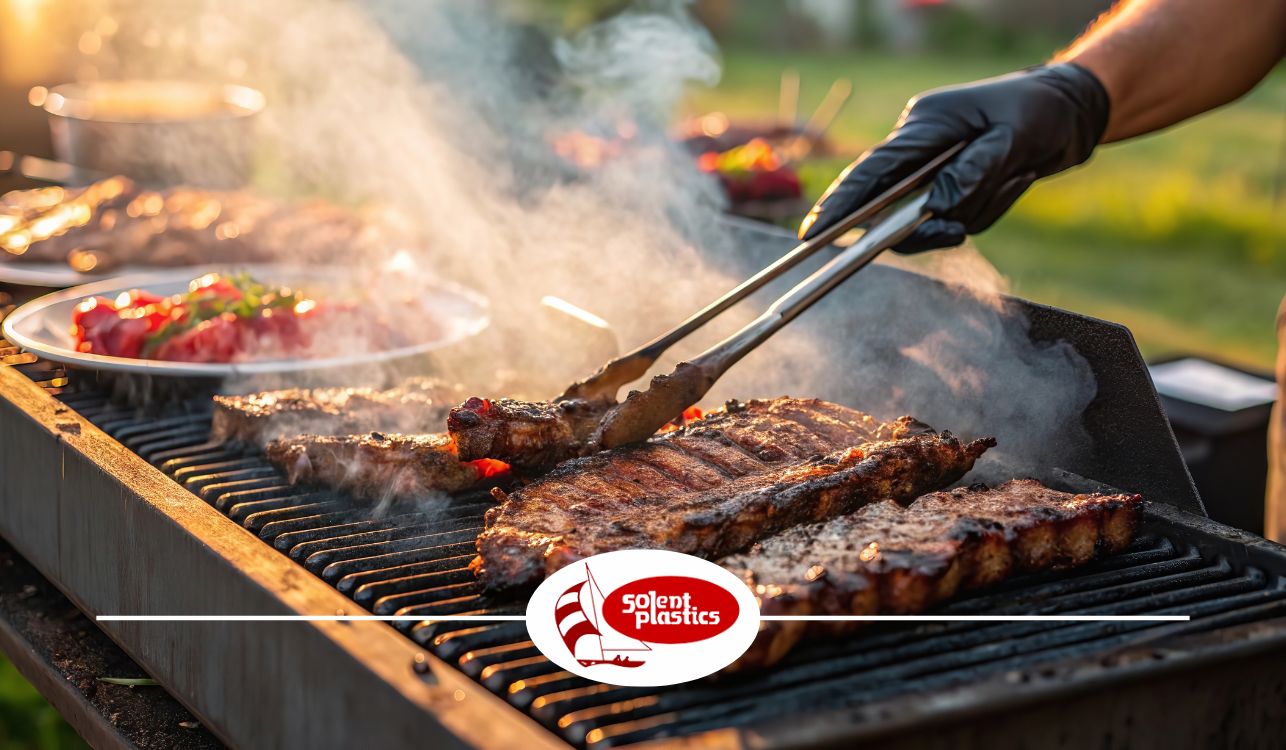
© Merch Hub / Shutterstock.com
A barbecue is one of the best ways to connect with loved ones and make the most of the weather, but for the host, it can be a stressful experience without proper organisation. From early preparation to the post-party clean-up, planning every step will help you host the perfect event.
What to cook at a BBQ
Start by organising a menu that offers variety including a mixture of ready-to-grill meats, vegetarian-friendly options and classic side dishes. Staples such as sausages, burgers and their non-meat alternatives are always a good idea. If you’re cooking other meats, such as chops, marinate them around six hours before grilling to ensure the flavour develops properly. You can chop and prepare side dishes such as salads, coleslaw and vegetables the night before. Popular BBQ options include jacket potatoes, corn on the cob, mushrooms, peppers and onions, which are great accompaniments for a variety of main dishes.
Pre-cooked and prepared food should be stored in airtight plastic containers and kept refrigerated until ready to serve to ensure no bacteria accumulates. Barbecues are fun, but giving your guests food poisoning certainly isn’t. According to the UK Food Standards Agency, more than five million cases of food poisoning in the UK are linked to undercooked hamburgers in the course of one year.
Ensure your menu caters for a wide range of tastes and dietary requirements. While many guests will be carnivores, others may be vegetarian, vegans or have dietary needs and food allergies. Ask people in advance if they have any allergies, such as fish or nuts, for example, so you know whether there is anything you should generally avoid.
Vegetarian guests will appreciate options such as skewered tofu, grilled halloumi and mushrooms, all of which can be prepared ahead and grilled quickly on the day. Classic sides like sweetcorn, coleslaw, potato salad and baked beans should be stored in labelled containers for easy serving. When choosing a barbecue storage box, check that it’s made from food-quality plastic.
Safe food storage and cooking
Always keep raw and cooked foods in separate containers, and use dedicated utensils for each to avoid the risks of cross contamination. Establish separate zones for raw and cooked foods and set up the grill so the person in charge of cooking has easy access to all the necessary tools and ingredients.
Keep chilled food in coolers with ice packs until it’s ready to be cooked or served. Once cooked, it should be kept in covered trays or containers to protect against insects and airborne debris.
Keep bottled drinks in storage crates indoors if there are too many to fit in the fridge, as they will soon go warm if you put them outside too early.
Maintaining food safety throughout the day is essential: a meat thermometer can ensure everything reaches its recommended internal temperature during cooking, while proper labelling means guests with allergies or dietary preferences can make informed choices.
Checking your BBQ equipment in advance can also avoid stress on the day, such as making sure the grill and cooking utensils are clean, and that you have enough crockery, cutlery, glasses and serviettes. Keep useful accessories on hand such as durable tongs, heat-resistant gloves, tinfoil, rubbish bags and wet wipes.
Using storage bins for charcoal or wood chips will keep them ready for use, regardless of the weather.
Avoiding barbecue pitfalls
Anyone can fall victim to BBQ mishaps, such as forgotten food items or utensils, running out of ice, or simply poor timing. A simple solution is to jot down a checklist of all your barbecue ideas and tick them off when they’re organised. For example, prepare a dedicated BBQ kit with essentials such as extra tongs, napkins, foil, matches or lighters, so that if anything goes missing on the day, you have back-up.
Poor timing is a potential pitfall, as it’s easy to overcook or undercook the food, so use kitchen timers and a meat thermometer to keep check on everything. When possible, delegate tasks to friends or family members. A designated grill master can concentrate on cooking, while another person oversees the buffet table and a third handles the drinks, for example. Sharing responsibility can lighten the load for the organiser and make the event seem more relaxed.
Creating an inviting atmosphere
Great food is a must, but there are plenty of ideas for a barbecue party to help create a comfortable and welcoming setting. Provide adequate seating, including in the shade so people can shelter from the sun when required, with canopies or umbrellas creating cool zones.
Music can set the tone, so decide on whether upbeat summer tunes, or a laid back soundtrack of acoustic songs will create a good vibe without drowning out conversation. A self-service drinks station or mini-fridge stocked with cold beverages, both alcoholic and non-alcoholic, can be very welcome.
Cleaning up after the BBQ
The last thing you’ll feel like doing is cleaning up after the event, but it can be quick and painless with a little planning. Try to clean as you go by having enough bin bags or recycling bins on hand to encourage guests not to leave their litter lying around. Line serving trays and preparation areas with foil to cut down on washing up later. Clean the grill while it’s still warm to make it easier to remove food debris using a quality stiff dish washing brush.
Store leftovers in plastic containers in either the fridge or freezer, depending on whether the contents are for lunch the following day, or for longer-term storage. If you have an excess of food, you could also send guests home with a “doggy bag” to avoid waste.
Restock your BBQ essentials, such as fuel, cutlery and crockery soon afterwards, so you’re ready for next time. Well, you had so much fun, you’re sure to want to have another one as soon as possible!