
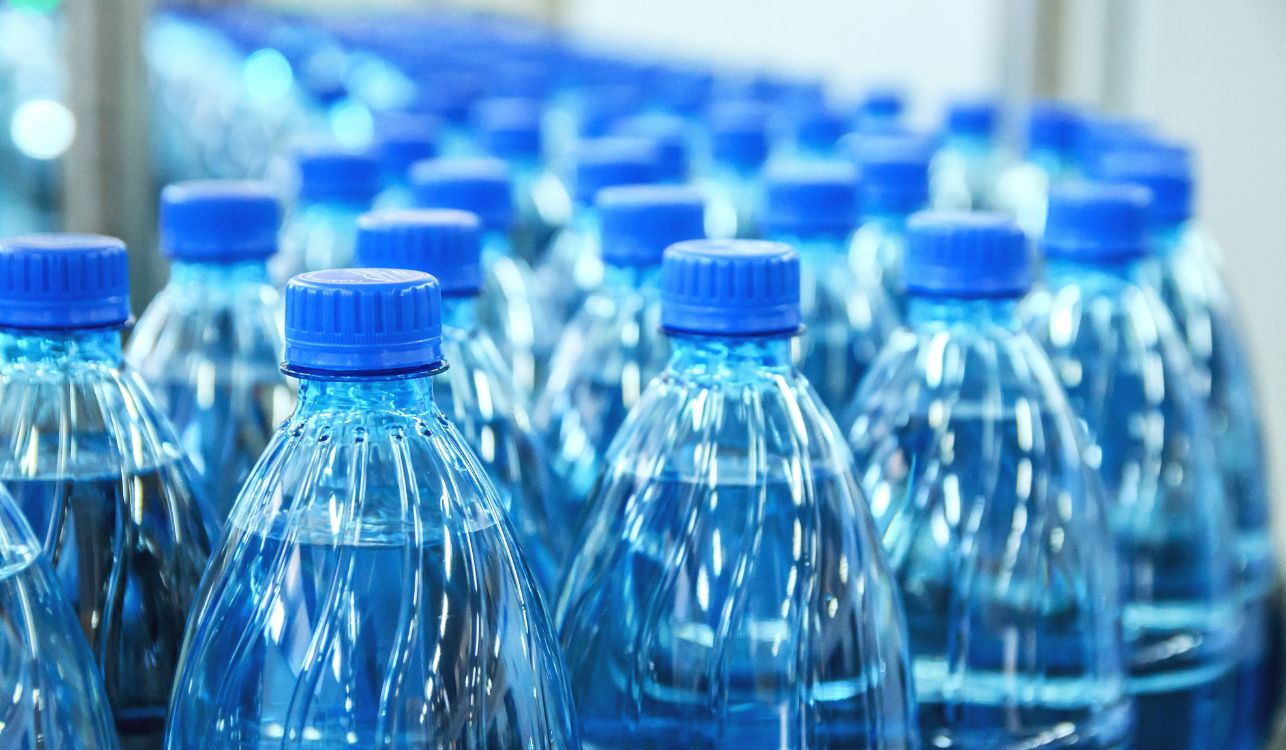
Globally, it’s estimated that people use an incredible 1.3 billion plastic bottles daily. Imagine the environmental disaster that would occur if at least some of them weren’t recycled!
© Ian Iankovskii / Shutterstock.com
Rather than simply ending up in the bin, discarded plastic bottles have been made into some wonderful creations by innovators, which have been publicised in honour of the annual Global Recycling Day.
Did you know, you can wear clothing made from recycled plastic bottles, or drive your car on a road surface made from plastic mixed with asphalt?
Road surfaces
Plastic bottles are being used to pave roads in some parts of the world. Traditional roads are covered with an asphalt surface, but the latest eco-friendly material is a mixture of plastic and asphalt. The plastic pellets are made from used bottles and bags to save them from going to landfill sites. Pellets are then melted and mixed into the asphalt to create a revolutionary new material. Sustainable roads have so far been constructed in 30 countries.
In the UK, they have been trialled in Cumbria for the past five years. Cumbria County Council is working with Shell and MacRebur on the Adept Smart Places Live Labs Programme, which replaces bitumen in road surfaces with recycled plastic.
Cumbria was the first place in the world to trial the product produced by MacRebur and the first place in Europe to trial Shell’s plastic road surface.
In the United States, the first plastic road in Los Angeles was constructed in front of Walt Disney Concert Hall on South Grand Avenue.
Prosthetic limbs
Recycling plastic bottles has enabled the health service to manufacture prosthetic limbs to help patients to walk.
Ground down and recycled into prosthetic limb sockets by medical specialists at Leicester’s De Montfort University, they are able to create unique solutions which have been used by patients in a pilot scheme at a rehabilitation facility in India.
Currently, making a socket from traditional materials and methods costs an average of £5,000. However, using recycled plastic bottles as an alternative could have a dramatic impact, reducing the cost to only £10 per socket.
Scientists are currently developing the prosthetic limbs to determine how they can be custom-made in greater amounts to suit each patient’s unique requirements.
Training shoes
Famous sports brands including Adidas and Nike have been turning recycled plastic bottles into training shoes. It takes six plastic bottles to make each pair of Nike’s “flyknit” trainers.
Adidas has collaborated with the environmental organisation Parley to make some of its shoes using recycled plastics. Each shoe in the Parley for the Oceans range takes 11 plastic bottles to create. This prevents them from ending up at landfill sites or in the ocean.
In 2017, Adidas also launched the Run for the Oceans annual event as part of its collaboration with Parley to raise awareness of ocean conservation.
Children’s toys
While the body of plastic bottles is commonly recycled, the lids often aren’t. New toy brand, known as Recyclings, stepped in to snap up the unwanted bottle caps.
They have created a range of eco-friendly children’s toys using the bottle caps. Each toy uses five bottle caps and is made from 70% recycled plastic, while their packaging is 100% recycled.
To date, 30 million plastic bottle caps have been recycled to make the toys, preventing them from ending up at landfill sites. There are more than 90 cute Recyclings figures to collect in the range, which is aimed at children aged five and above.
Clothing
Clothing companies are turning plastic bottles into garments that can be worn every day, so they are both recycled and reusable.
Sustainable clothing company DGrade melts the flakes from plastic bottles to create a special yarn that can be threaded and woven the same way as polyester fibre. The processes for making plastic clothing release 50% fewer carbon emissions.
The special fibre is also used for making sports clothing for top athletes, such as the Lionesses. In 2019, they revealed they were wearing a kit made from recycled plastic bottles. Similarly, the Adidas Parley range has produced sports garments made from the plastic thread.
Top clubs including Manchester United, FC Bayern Munich and Real Madrid are supporting the eco-friendly initiative. Manchester City FC’s Nike Vapor home kit for 2016/17 featured shorts and shirts made from recycled plastic bottles that had been melted to create a fine yarn. It took 16 recycled plastic bottles to make one kit.
It is estimated that to date, Manchester City has used more than three billion plastic bottles - enough to cover 5,200 football pitches - to make recycled polyester yarn for its kits.
Furniture
Reusing plastic bottles has led to the production of eco-friendly furniture in Mexico. The architecture firm, Paola Calzada Arquitectos, has created its Luken range of furniture fashioned from 100% recycled plastic bottles.
The furniture, including a selection of children’s tables and chairs, is put together without the need for glue or nails. Recycled plastic bottles are melted to create boards, which simply slot together to assemble the flatpack furniture.
Being made from recycled plastic means it’s resistant to water, sunlight and heavy use. It can be used inside and out.
The plastic bottle recycling industry worldwide has been valued at £3.2 billion. This is expected to grow to £5.1 billion by 2031.